

Stomach acid aids digestion, but when it backs up, it irritates the esophagus. The low esophageal sphincter, a circular ring of muscle at the bottom of your throat, contracts to block gastric acid and food from entering the esophagus.
A few important meals may assist in acid neutralization and symptom alleviation. Try incorporating them into your diet while avoiding those that cause reflux.
Bananas
Bananas are low-acid fruits that assist in the relief of heartburn and indigestion. They are abundant in natural soluble fiber and potassium, that assist to build the stomach and esophageal lining. The fruit can be high in magnesium, which supports acid neutralization and alleviates acid reflux disorder symptoms. food that lowers acidity are a fantastic option for a healthy breakfast or snack since they are simple to digest and offer the body with essential nutrients.
Brown rice is another healthy meal that might help with acid reflux. It is high in fiber, iron, and B vitamins. It's a better choice than processed carbs, which may increase acid production and induce heartburn.
Cucumber is a low-acid meal that, by hydrating the digestive tract, may help avoid acid reflux. In addition, it contains vitamin C and potassium, which help regulate your body's acid levels. Cucumber may be consumed fresh, juiced, or mixed with salads.
Melons, like bananas, are low-acid fruits which could aid with acid reflux. Watermelons, cantaloupe, and honeydew are high in magnesium, which helps to neutralize acid production in the stomach and reduce acid reflux disorder symptoms.
Oatmeal
The dietary fiber in oatmeal keeps stomach acid away from inflamed esophageal linings, as the water in oatmeal aids in the flushing of excess acids. A mix of soluble and insoluble fiber might also help you stay full. This can keep you from overeating, which can aggravate your acid reflux disorder symptoms.
Stomach acid is necessary for digestion, but it should stay in your stomach instead of irritating your esophagus. To avoid this, the lower esophageal sphincter, a circular ring of muscle at the bottom of one's throat, contracts and prevents the contents of one's stomach from ascending into your esophagus. Unfortunately, foods that help stomach acid cause this constriction, leading to heartburn. This condition is known to be caused by fatty meals such as for example bacon and beef, chocolate, fried foods, and whole milk dairy products. Citric fruits and juices, tomatoes and tomato derivatives, vinaigrette salad dressings, and pineapple may all aggravate the condition.
If you get heartburn on a frequent basis, it may be an indication of something more serious, such as Gastroesophageal Reflux Disease (GERD). In the event that you suffer acid reflux more than twice a week, see a medical expert. Our digestive professionals may provide a variety of tests and treatments to help alleviate your symptoms.
Milk and bread
Stomach acid is essential for digestion, nonetheless it may irritate your esophagus when it backs up. Have a peek here , a circular ring of muscle at the bottom of one's neck, acts as a valve to prevent stomach acid from reaching your esophagus. However, some meals or practices may induce heartburn, causing acid to ascend in to the esophagus and produce discomfort and burning in the chest.
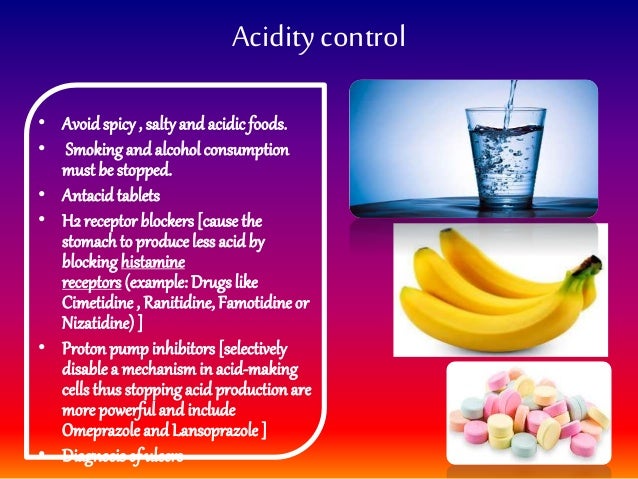
In the event that you often get heartburn, consider eating less acidic items such as for example bananas and oatmeal. Milk also may help, however full fat milk may irritate your illness, so adhere to skim or nonfat varieties. Milk works as a buffer in the middle of your stomach and the acid, easing your pain and providing rapid heartburn relief.
Another approach would be to consume green vegetables along with other fiber-rich complex carbs such as for example rice or couscous. Roasting your vegetables rather than boiling or steaming them might enhance their flavor and lessen the risk of acid reflux. You may even add herbs, which are lower in acids and can improve the tastes, to these recipes. However, food to reduce acidity ought to be avoided given that they might boost your symptoms. Fruits strong in acid, such as citrus fruits and berries, should also be avoided.
Ginger
Backflow of gastric acid into the esophagus may produce heartburn, that is unpleasant and occasionally painful. Natural foods which are alkaline, fiber-rich, and anti-inflammatory, such as bananas, oats, ginger, vegetables, milk, and water, may help to reverse mild acidity. These meals are a fantastic substitute for over-the-counter acid reflux disorder medicine.
Ginger, a fragrant root, is really a natural anti-inflammatory that relieves stomach pain and indigestion. In addition, it has esophageal calming qualities since it decreases the inflammation that causes heartburn. Ginger could be consumed raw or made into tea by steeping it in warm water. It is also good in soups and stir-fries.
Apple cider vinegar is another natural antacid that may be mixed with water and drank to fast reduce acidity. It is crucial to keep in mind, however, that an excessive amount of this beverage might cause indigestion, so it's best eaten in moderation.
To counteract gastric acid, consider drinking a small glass of unsweetened coconut water. Coconut water provides the mineral potassium, which alters the pH of your body from acidic to basic. Additionally it is thought to alleviate inflammation made by stomach acids. Chewing gum after meals is another natural cure since it encourages saliva production, which really helps to buffer stomach acid and keep it from coming into touch with the esophagus. However, in order to safeguard the teeth, it is very important use sugar-free gum.